Las Vegas Grand Prix: History, Circuit and Lasting Appeal
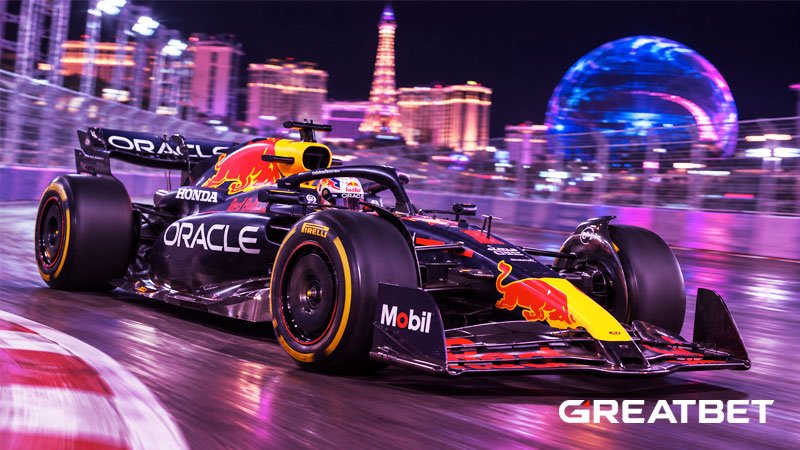
The Las Vegas Grand Prix brings Formula 1 to one of the most recognisable cityscapes in the world. Staged at night on the Las Vegas Strip Circuit, the race combines high-speed street racing with the lights, landmarks and atmosphere of Nevada's entertainment capital.
Although the modern event joined the Formula 1 calendar in 2023, the story of Grand Prix racing in Las Vegas stretches back much further. Its unusual history, demanding circuit and spectacular setting have made the Las Vegas Grand Prix one of the most distinctive races in international motorsport.
Formula 1's First Visit to Las Vegas
Formula 1 first raced in Las Vegas in 1981, when the Caesars Palace Grand Prix was created as the final round of the season. Rather than using public roads, organisers built a temporary circuit in the car park of the Caesars Palace hotel and casino.
The tight, repetitive layout was physically demanding for drivers, who also had to contend with the desert heat. Alan Jones won the inaugural race for Williams, while Nelson Piquet secured the World Championship despite finishing fifth.
Las Vegas returned for a second Caesars Palace Grand Prix in 1982. Michele Alboreto claimed his first Formula 1 victory for Tyrrell, while Keke Rosberg did enough to win the drivers' title for Williams. Despite producing two championship deciders, the car-park circuit was not popular with drivers or spectators and disappeared from the calendar after only two editions.
The Return of the Las Vegas Grand Prix
More than four decades later, Formula 1 returned to the city with a completely different vision. The modern Las Vegas Grand Prix was designed as a true street race, using sections of the famous Strip rather than a purpose-built course hidden away from the city.
The first race on the Las Vegas Strip Circuit took place in 2023. Max Verstappen won after a close contest involving Charles Leclerc and Sergio Perez, while Leclerc passed Perez on the final lap to take second place.
That opening race immediately established the event as more than a visual spectacle. The circuit's long straights encouraged slipstreaming and overtaking, while the cool night-time conditions created an unusual challenge for tyre preparation and grip.
George Russell led a Mercedes one-two in 2024, with Lewis Hamilton finishing second. Max Verstappen then returned to the top step in 2025, becoming the first repeat winner of the modern Las Vegas Grand Prix.
The Las Vegas Strip Circuit
The Las Vegas Strip Circuit measures 6.201 kilometres and is raced over 50 laps, producing a total Grand Prix distance of 309.958 kilometres. It runs past some of the city's best-known landmarks, including the Bellagio, Caesars Palace and the Venetian.
Unlike many street circuits, Las Vegas is built around extended periods at very high speed. Its long straights reward low drag and strong power delivery, but drivers must still slow the car for heavy braking zones and technical corners.
The contrast between flat-out sections and slower turns places pressure on both the car and driver. Teams need enough straight-line speed to attack and defend, while maintaining the stability required under braking. Drivers must be precise because walls and barriers leave little room for error.
The characteristics of the track also make energy deployment important. Modern Formula 1 cars recover and use electrical energy throughout a lap, and the long Las Vegas straights give teams several opportunities to deploy that power. The balance became even more significant with the new generation of cars covered in Greatbet's guide to the F1 2026 rules.
Why the Night Race Is Different
The Las Vegas Grand Prix takes place on Saturday evening locally, which means UK viewers watch the race early on Sunday morning. Racing after dark allows the circuit to make full use of the Strip's illuminated skyline and gives the event its unmistakable identity.
Night racing in the Nevada desert also creates a technical challenge. Temperatures can fall sharply after sunset, leaving the track much cooler than drivers experience at many other races. Cold tyres generate less grip, take longer to reach their working range and can make the car more difficult to control during the opening laps or after a pit stop.
Teams must therefore judge tyre choice, warm-up and pit-stop timing carefully. A driver who rejoins the circuit on cold tyres may be vulnerable, particularly when rivals are already up to speed.
Overtaking and Race Strategy
Las Vegas has several features that can produce changing race situations. The long straights create natural overtaking opportunities, while heavy braking zones give drivers a chance to challenge from a long way back.
Slipstreaming can bring cars together rapidly, making it difficult for a leader to escape. Safety cars and virtual safety cars may also influence strategy because incidents on a narrow street circuit can leave debris or blocked sections of track.
Tyre wear is only part of the calculation. Teams must consider track position, tyre temperature and the possibility of neutralised racing. A well-timed stop can transform a driver's race, while a poorly timed change may leave them trapped behind traffic with tyres that are difficult to warm.
The Lasting Appeal of Formula 1 in Las Vegas
The Las Vegas Grand Prix occupies a unique place on the Formula 1 calendar. Monaco offers history and glamour, while Singapore pioneered the modern city-centre night race. Las Vegas combines elements of both with a circuit designed around speed and overtaking.
Its appeal comes from that combination. The Strip provides a backdrop recognised around the world, but the racing still demands precision, bravery and careful strategy. Drivers face high speeds between concrete barriers, teams must manage difficult temperatures, and small mistakes can have immediate consequences.
From the short-lived Caesars Palace circuit to the modern race under the lights, Las Vegas has developed one of Formula 1's most unusual stories. The Las Vegas Grand Prix now links the city's entertainment heritage with the speed and technology of contemporary motorsport, creating an event that looks and feels unlike any other.